
Feeling Older Than You Are? The Hidden Causes of Premature Ageing
Have you ever looked in the mirror and felt that your body seems older than your actual age? Perhaps your energy levels aren’t what they used to be, your skin looks dull or tired, or everyday tasks feel more exhausting than they should. While ageing is a natural part of life, premature aging occurs when these changes appear earlier than expected, often driven by lifestyle and environmental factors rather than time alone.
Premature aging does not only affect appearance. It can influence how you feel, how well you recover, and how resilient your body is to physical and emotional stress. Understanding what causes premature ageing allows you to take meaningful steps to slow the process and support long-term health from the inside out.
When Ageing Starts Earlier Than It Should
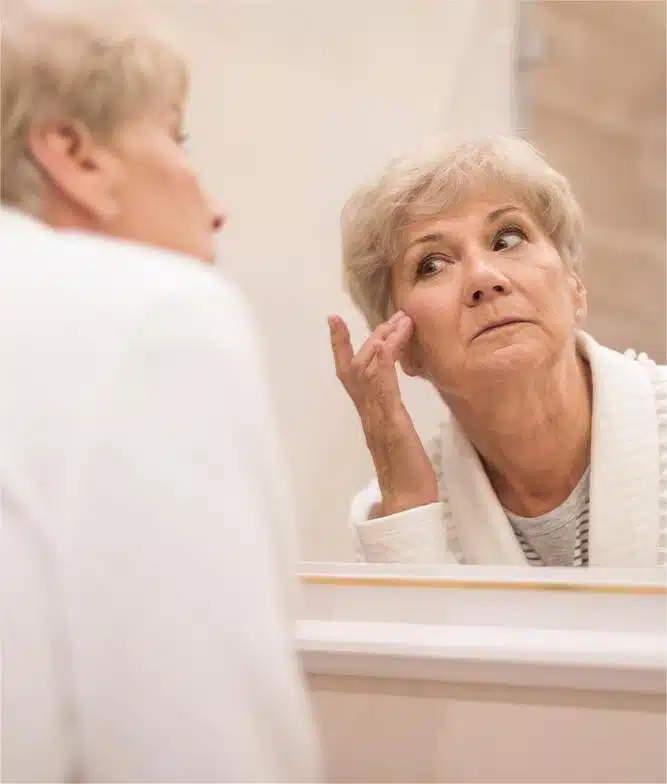
Premature ageing happens when the body begins to show typical signs of ageing earlier than normal. These changes most commonly appear in the skin, such as fine lines, wrinkles, dryness, uneven tone, sagging, and age spots. Hair may thin or turn grey sooner than expected, and facial volume can reduce, creating a more sunken appearance.
However, premature aging is not just skin deep. It often reflects deeper biological strain affecting muscles, joints, hormones, metabolism, and even brain function. People experiencing premature aging may feel persistently tired, mentally slower, or less physically resilient, even if they are relatively young.
Why Some People Age Faster Than Others
In most cases, premature ageing is driven by external or “extrinsic” factors. Sun exposure is one of the most powerful contributors. Ultraviolet light damages skin cells, breaks down collagen and elastin, and accelerates visible aging through a process known as photoageing. High-energy visible light and infrared light, including blue light from digital devices, also affect skin structure and elasticity over time.
Smoking is another major factor. The toxins released through nicotine exposure damage blood vessels, reduce oxygen delivery to tissues, and rapidly degrade collagen, leading to wrinkles, sagging skin, and a hollow facial appearance.
Alcohol, particularly when consumed in excess, dehydrates the skin and interferes with the body’s natural repair mechanisms.
Diet plays a critical role. Diets high in sugar and refined carbohydrates promote inflammation and oxidative stress, both of which accelerate cellular ageing. In contrast, diets rich in fruits, vegetables, healthy fats, and antioxidants help protect cells and slow visible ageing.
Sleep quality is often overlooked. Poor or insufficient sleep prevents the body from repairing damaged cells efficiently. Studies show that lack of restorative sleep can cause cells to age faster, affecting not only appearance but also immune function, cognition, and hormonal balance.
Chronic stress is another hidden driver. When stress is ongoing, the body releases cortisol repeatedly. Elevated cortisol blocks substances essential for skin hydration and collagen production and places long-term strain on the body’s repair systems.
How Your Body Signals Early Ageing
Premature ageing often reveals itself through subtle changes before more obvious signs appear.
Premature ageing often appears first through visible physical changes. Skin may lose its firmness and glow earlier than expected, with fine lines, wrinkles, dryness, uneven tone, or sun spots developing on the face, hands, or chest. Hair may thin or turn grey sooner, facial volume can reduce, and the skin may bruise more easily as collagen and elasticity decline.
Over time, aging also affects how the body functions internally. Muscle strength and stamina may drop, everyday movement can feel slower or more effortful, and joints may become stiff or achy. Many people notice they tire more quickly from routine activities or experience disrupted sleep, waking during the night and feeling less refreshed in the morning.
There are also mental and emotional signals that aging is accelerating. Memory lapses, slower thinking, difficulty concentrating, and reduced mental sharpness are common. Emotionally, people may feel more drained, less motivated, or less resilient under stress, often withdrawing socially. Together, these changes suggest that the body’s energy and repair systems are under strain, rather than aging being driven by time alone.
Lifestyle Habits That Quietly Speed Up Ageing
Many everyday habits unknowingly accelerate aging. Regularly eating processed or restaurant food increases exposure to excess salt, sugar, and unhealthy fats, promoting inflammation and skin damage. Excessive alcohol and caffeine disrupt hydration, sleep, and hormonal balance.
A constantly busy lifestyle with little downtime keeps stress hormones elevated, accelerating collagen breakdown and impairing immune and digestive function. Skipping daily sun protection exposes skin to cumulative UV damage, even on cloudy days or indoors near windows.
Neglecting rest and recovery is one of the fastest ways to age both body and mind. Sleep is when cellular repair, hormonal regulation, and energy restoration occur. Without it, ageing accelerates visibly and internally.
Ageing Is a Cellular Process
While aging is often discussed in terms of appearance, it is fundamentally a cellular process. Every cell in the body relies on efficient energy production and repair mechanisms to function properly. When these processes become overwhelmed by stress, inflammation, or poor lifestyle habits, cells begin to deteriorate faster.
Mitochondria, the structures within cells responsible for producing energy, play a central role in this process. When mitochondrial function declines, tissues repair more slowly, inflammation increases, and signs of aging appear earlier. Supporting cellular energy systems is therefore essential for slowing premature ageing.
How to Slow Premature Ageing Naturally
Slowing premature ageing begins with prevention. Protecting the skin from sun exposure through daily use of broad-spectrum sunscreen helps prevent further collagen breakdown. Avoiding smoking and moderating alcohol intake significantly reduces cellular damage.
A nutrient-rich diet supports collagen production, hydration, and antioxidant defence. Staying well hydrated keeps cells functioning efficiently and helps maintain skin elasticity. Regular movement improves circulation, joint health, and muscle strength, while also supporting mitochondrial renewal.
Managing stress through relaxation practices, mindfulness, or enjoyable activities helps regulate cortisol levels and supports both skin health and emotional resilience. Prioritising quality sleep allows the body to repair and regenerate, slowing physical and cognitive decline.
Cellular Support for Healthier Ageing with WellGen UK
Healthy habits matter, but sometimes the body needs deeper support to truly recover. When energy fades and signs of aging appear earlier than expected, it’s often a signal that your cells are under strain. WellGen UK offers cell regeneration therapy using CAP (Cold Atmospheric Plasma) technology, delivered through the Human Regenerator, to support the body where renewal begins.
This gentle, non-invasive therapy works with your body’s natural processes, encouraging cellular repair and increasing oxygenation and metabolic balance. By supporting mitochondrial activity and cellular communication it helps create the conditions your body needs to restore energy, resilience, and vitality from within.
Rather than chasing surface-level changes, this approach honours the body’s ability to heal and regenerate. When your cells are supported, your body can recover more easily, adapt more effectively, and age with greater strength, clarity, and confidence.
Ageing Well Starts Early

Aging is inevitable, but aging prematurely is not. Many of the factors that accelerate aging are within your control. By understanding the hidden causes and supporting your body at a cellular level, you can slow the clock and feel more like yourself again.
Healthy aging is not about trying to reverse time, but about giving your body what it needs to function well at every stage of life.
Frequently Asked Questions
Premature ageing occurs when physical or biological signs of ageing appear earlier than expected due to lifestyle or environmental factors.