
Publishing Date: 29-09-2026 Time 2:30 PM
Whether you have strained a muscle while running, twisted an ankle during football or developed an overuse injury from repeated training, recovery begins at the cellular level.
When tissue is injured, the body starts a carefully coordinated repair response. Inflammatory and immune processes are activated, cells communicate with one another, and damaged tissue begins moving through different stages of healing.
Inflammation is an important part of this process. It helps initiate repair, but inflammation that becomes prolonged or poorly regulated can interfere with normal recovery.
The body must also provide recovering cells with enough energy. Cells produce this energy primarily in the form of adenosine triphosphate (ATP). ATP acts as the usable energy that cells need to perform essential functions, including many of the processes involved in tissue maintenance and repair. This helps explain why sports recovery involves far more than simply resting the injured area.
How Can Regenerative Therapy Support Sports Injury Recovery?
Regenerative wellness focuses on supporting the biological environment in which recovery takes place rather than simply masking symptoms.
At WellGen UK, this involves one therapy using Cold Atmospheric Plasma technology. CAP is being studied for its ability to interact with biological tissues and influence cellular signalling pathways involved in inflammation, antioxidant defence and tissue repair.
Research into Cold Atmospheric Plasma (CAP) continues to explore its potential role in supporting the biological processes involved in recovery. Studies have reported effects associated with cellular activity, oxidative balance, inflammatory responses and tissue repair — all of which are relevant to creating an internal environment that can support the body’s natural healing processes.
This is also reflected in growing practitioner experience with the Human Regenerator Jet (HRJ). Doctors and practitioners using HRJ around surgery and during injury recovery have reported encouraging observations, including patients appearing to recover considerably faster in some cases. Anecdotally, some practitioners have reported recovery occurring around three to five times faster than normally expected.
These observations should not be presented as a guaranteed outcome or as evidence that HRJ directly treats sports injuries. Rather, they help illustrate how Cell Regeneration Therapy may complement the recovery process by supporting cellular energy and helping create conditions within the body that are more favourable for natural repair and healing.
For athletes, this distinction is important. The aim of Cell Regeneration Therapy is not to replace appropriate diagnosis, physiotherapy, rehabilitation or medical treatment for an injury. Instead, it can be used alongside conventional recovery strategies to support the body while it carries out its own repair processes.
Supporting the Body’s Antioxidant Response
Physical activity and tissue injury can affect the balance between reactive molecules and the body's antioxidant defences.
CAP helps support the body’s natural antioxidant defences. It provides beneficial electrons that can help protect cells from oxidative stress and create a healthier internal environment for normal cellular function, repair and recovery.
This is more scientifically accurate than thinking of CAP simply as supplying an unlimited amount of antioxidants. Its biological effects are complex and appear to involve the interaction between reactive species, cellular signalling and the body's own antioxidant defence mechanisms.
Supporting a balanced cellular environment may be relevant during recovery because cells need to manage oxidative stress while carrying out repair.
Supporting Healthy Cellular Communication
Cells do not recover independently. They continuously exchange signals that help coordinate inflammation, immune activity and tissue rebuilding.
CAP-generated reactive oxygen and nitrogen species have been studied for their ability to influence these signalling pathways. Research into wound healing suggests these interactions can affect processes involved in inflammation, cell proliferation and tissue remodelling.
For regenerative wellness, the aim is therefore to support the body's existing biological processes rather than force or artificially replace them.
What About Pain and Stiffness?
Pain is often one of the most noticeable consequences of a sports injury, which means feeling less pain can also be one of the most tangible signs that someone associates with recovery.
Pain, however, is complicated. It can come from inflammation, tissue damage, muscle guarding, swelling or irritation of surrounding structures. Feeling less pain does not necessarily mean an injury has completely healed.
This distinction is important for athletes. Returning to sport simply because an area no longer hurts can sometimes place healing tissue under too much stress too soon.
Some people using cell regenerative wellness therapy may report feeling less pain, reduced stiffness, easier movement or improved general recovery. Individual experiences vary, however, and CAP should not be presented as a guaranteed pain treatment.
What Happens During a WellGen Session?
WellGen's approach uses CAP technology as a non-invasive regenerative wellness therapy.
During a session, applicators are placed on the hands and feet or positioned in relation to specific problem areas, depending on the individual's needs and the treatment protocol. The applicators form part of the system used during exposure to the CAP technology.
The experience is generally designed to be comfortable and requires no strenuous physical activity, making it easy to incorporate alongside an appropriate recovery programme.
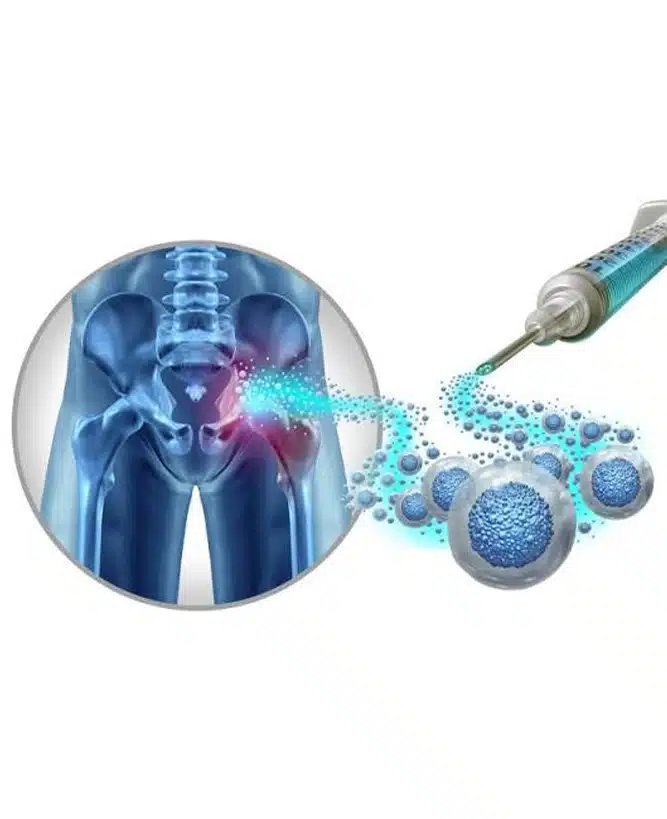
Regenerative Therapy vs Traditional Sports Injury Recovery
Regenerative wellness should not be viewed as an alternative to proper sports medicine.
If you have a significant injury, diagnosis comes first. Depending on the injury, conventional recovery may involve physiotherapy, controlled exercise, progressive loading, adequate sleep, good nutrition and medical treatment when required.
Cell regenerative wellness can instead be considered a supportive part of a broader recovery strategy. The aim is not to replace rehabilitation. It is to support the cellular environment while rehabilitation helps restore mobility, strength, coordination and confidence.
How Long Does Sports Injury Recovery Take?
There is no single recovery timeline.
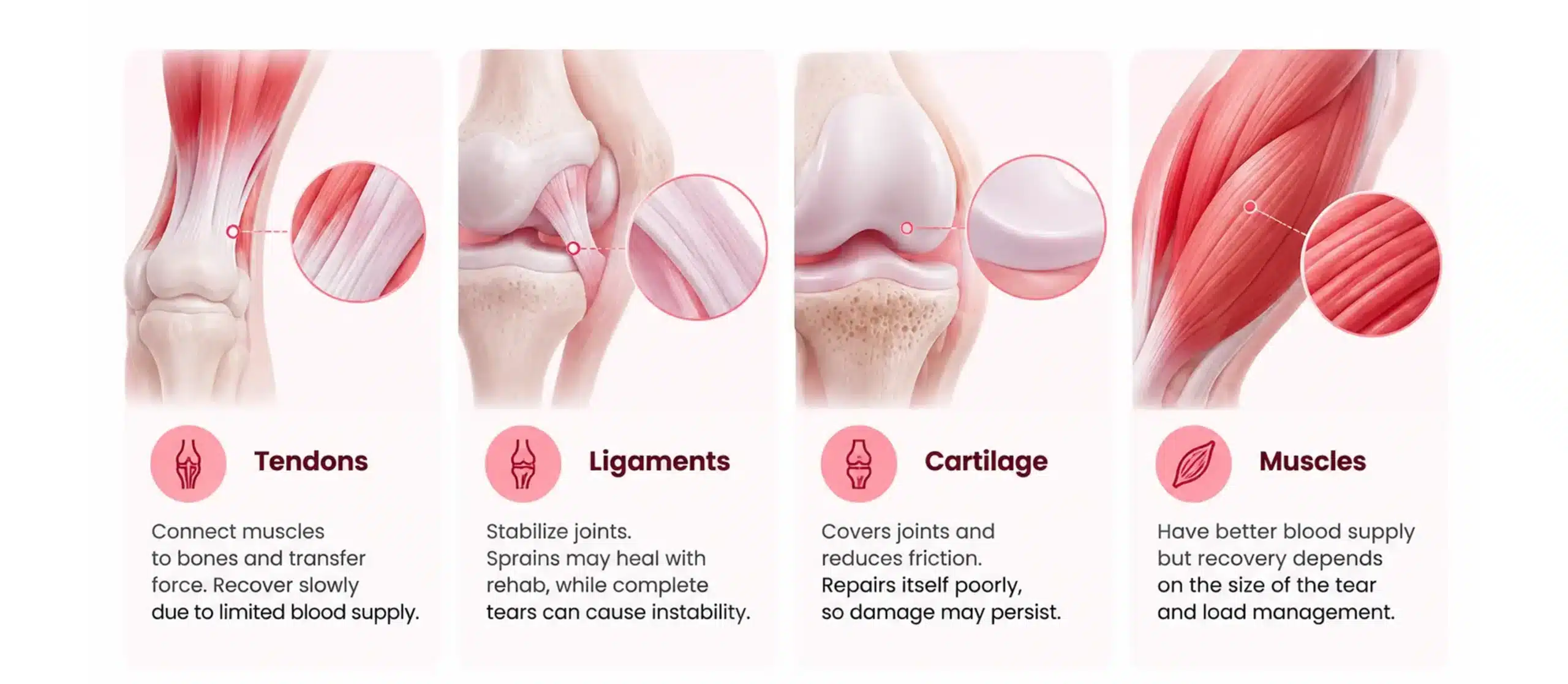
A mild muscle strain may settle relatively quickly, while tendon, ligament or more serious muscle injuries can require substantially longer rehabilitation. Age, injury severity, sleep, nutrition, previous injuries, training load and general health can all affect recovery.
The same applies to regenerative wellness therapy. Everyone responds differently, so results and timelines cannot be guaranteed.
Some people may notice changes such as feeling more energised, feeling less pain or stiffness, or recovering more comfortably after physical activity. Others may experience subtler or more gradual changes. Consistency with your overall recovery plan remains important.
Can Regenerative Therapy Help You Return to Sport Faster?
The better question is whether it can support the processes involved in recovery.
Current CAP research provides interesting evidence around cellular signalling, antioxidant responses, inflammation and tissue repair. There is also emerging experimental evidence concerning muscle regeneration.
Practitioner experience with Cell Regeneration Therapy has shown encouraging results in supporting faster healing and recovery. Doctors using the HRJ before and after surgery, as well as during injury recovery, have reported noticeably quicker recovery in many cases. Because the same natural healing processes are involved when the body repairs a sports injury, Cell Regeneration Therapy can be used in a similar way to support the body's recovery.
Rather than treating the injury itself, the therapy is designed to create a better internal environment for healing, helping the body’s natural repair processes work more effectively. This makes it a valuable supportive approach alongside appropriate medical care, physiotherapy and rehabilitation.
Recovery should be judged through factors such as pain, movement, strength, stability and the ability of the injured tissue to tolerate progressively greater loads—not simply by how quickly someone wants to return to training.
Supporting Your Recovery at WellGen UK
At WellGen UK, we believe effective recovery starts with supporting the body at the cellular level. Our regenerative wellness therapy uses Cold Atmospheric Plasma technology as part of an approach designed to support the body's natural recovery processes. Rather than offering multiple therapies, WellGen focuses on this single technology and its potential role in cellular wellness.
For people recovering from sport or physical activity, this may mean supporting cellular communication, antioxidant responses and the biological processes associated with repair while continuing with appropriate rehabilitation, movement, nutrition and rest. The aim is simple: support your body's natural ability to recover so you can get back to moving and feeling your best.
Frequently Asked Questions
Regenerative wellness therapy should not replace diagnosis or treatment from a doctor, physiotherapist or other qualified healthcare professional. WellGen's CAP-based therapy is intended to support the body's natural cellular and recovery processes alongside appropriate care.