
Publishing Date: 29-09-2026 Time 2:30 PM
Could Your Gut Symptoms Be Something Other Than Your Diet? Understanding the Gut Ecosystem
Have you ever changed your diet to improve your digestion, only to find that your stomach still feels uncomfortable? Perhaps you have stopped eating certain foods, increased your fibre intake or tried eating healthier meals. Yet the bloating, gas, constipation or stomach discomfort keeps returning.
Food certainly plays an important role in digestion, but it is not always the only reason behind gut problems. The causes of gut symptoms can include stress, changes in gut bacteria, digestive conditions, medicines and even how well your body responds to everyday pressure.
Your gut is part of a much bigger system, with different parts working together to keep digestion running smoothly. Understanding this gut ecosystem may help you look beyond food and better understand what your body needs.
What Is the Gut Ecosystem?
The gut ecosystem refers to the different parts of your digestive system and how they work together. It includes your stomach, intestines, gut bacteria, digestive processes and the nerves that help control digestion.
Think of your gut as a busy workplace. Different parts have different jobs, but they need to work together. Your stomach helps break down food, your intestines absorb nutrients, and helpful bacteria play a role in processing certain parts of what you eat.
Your nervous system also helps control how food moves through your digestive system. When one part is not working as expected, you may experience discomfort, even when your diet seems healthy. This is why understanding gut health involves more than simply deciding which foods to eat or avoid.
Why Might Gut Symptoms Continue Despite a Healthy Diet?
Eating well is important, but a healthy diet does not guarantee that you will never experience digestive problems. Someone may eat plenty of vegetables, drink enough water and avoid processed foods yet still struggle with bloating or irregular bowel movements.
There are several reasons why this can happen.
1. Stress Can Affect Digestion
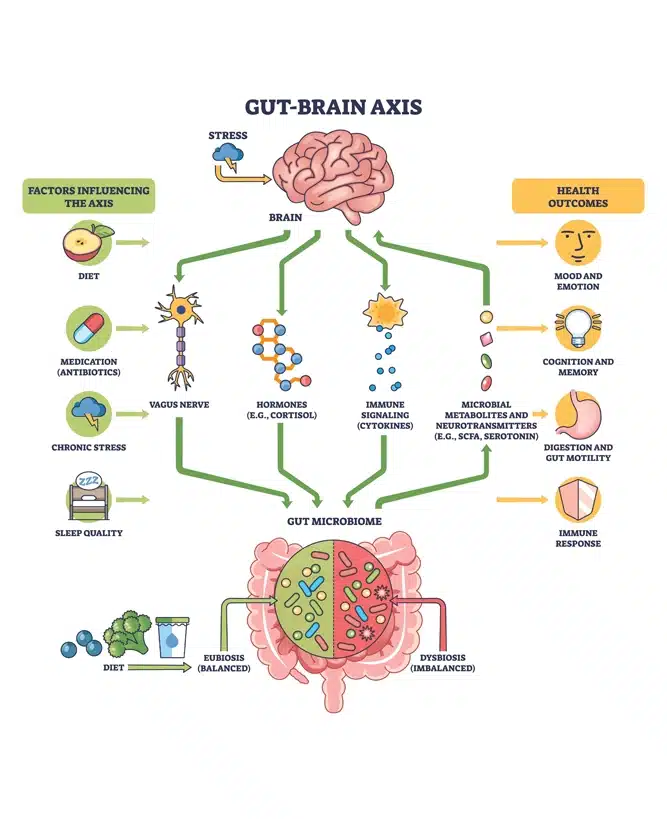
Have you ever felt nervous before an important meeting and noticed your stomach becoming uncomfortable? This happens because your brain and digestive system are connected.
When you feel stressed, your body becomes more alert. This can change how quickly food moves through your gut and how sensitive your digestive system feels.
For some people, stress may lead to stomach cramps or an urgent need to use the toilet. Others may experience constipation or bloating.
2. Changes in Gut Bacteria
Your intestines contain trillions of tiny organisms, including bacteria that help support digestion. Together, these organisms form part of your gut microbiome.
Different types of bacteria have different roles. Some help break down fibre, while others support the gut's natural environment. The types and amounts of bacteria in your gut can change because of diet, illness, medication and other factors. Researchers have found links between changes in the gut microbiome and some digestive conditions.
3. Constipation Can Cause More Than Difficulty Going to the Toilet
Constipation is not always obvious. Some people still have regular bowel movements but struggle to empty their bowels fully. When waste moves slowly through the intestines, it can contribute to bloating, discomfort and feelings of fullness.
For example, someone might think that bread or vegetables are causing bloating when constipation is playing a bigger role.
4. Your Body May Struggle to Digest Certain Foods
Food can still be involved, but the problem is not always that a food is unhealthy. Sometimes the digestive system has difficulty breaking down a particular ingredient. For example, people with lactose intolerance may struggle to digest lactose, a sugar found in milk and some dairy products.
This can cause gas, bloating, cramps and diarrhoea. The important point is that a food can be nutritious and still cause discomfort for someone who has difficulty digesting it.
5. Certain Health Conditions Can Affect the Gut
Some digestive problems are linked with conditions that cannot be improved through general healthy eating alone. For example, irritable bowel syndrome, often called IBS, can cause bloating, stomach pain, diarrhoea and constipation.
Coeliac disease can also cause digestive symptoms because the body reacts to gluten, which is found in wheat, barley and rye. Certain infections and other digestive conditions may cause similar problems.
Gut and Nervous System Connected
Your gut and nervous system are constantly communicating. The nervous system helps control many automatic body functions, including digestion, breathing and how your body responds to stress. When you feel calm and relaxed, your body is generally better able to carry out normal resting and digestive activities. However, when you are anxious or under pressure, digestion may feel different.
When You Are Stressed
Imagine rushing to work after a poor night's sleep. You have several things to think about, feel tense and eat breakfast quickly. Even if your breakfast contains healthy ingredients, you might still experience stomach discomfort. This could be influenced by how quickly you eat, your stress level or existing digestive sensitivity.
Relaxation Support Digestive Comfort
Relaxation can help reduce the body's stress response. Gentle walking, slow breathing, regular sleep and taking breaks during the day may help you feel calmer. For people whose digestive symptoms become worse with stress, these habits can be useful parts of a wider wellbeing routine.
Role of Gut Lining
Your intestines have a protective lining that helps absorb nutrients while acting as a barrier between the contents of your gut and the rest of your body. This lining is important for normal digestive health.
Certain illnesses and conditions can affect how well the gut barrier works. You may have heard the term "leaky gut" used in wellness discussions.
It is often used to describe increased movement of substances through the gut lining, but this does not mean every digestive symptom is caused by a damaged gut barrier. Researchers are still exploring how changes in the gut lining relate to different health conditions.
A varied diet and suitable healthcare can help support digestive wellbeing without the need to assume that the gut barrier needs repairing.
How Can You Understand What Is Causing Your Gut Symptoms?
When symptoms continue, paying attention to patterns can be more useful than making constant changes to your diet.
Keep a Simple Symptom Diary
For one or two weeks, write down what you eat and how you feel. Include details such as bloating, stomach pain, bowel movements, sleep and stressful days.
For example, you may notice that your stomach feels worse after a rushed lunch or that constipation becomes more noticeable when you are less active. A diary cannot diagnose a condition, but it can help you recognise useful patterns.
Look at Your Daily Routine
Ask yourself whether you are getting enough rest, drinking sufficient water and making time for movement. Long periods of sitting, irregular meals and poor sleep can sometimes make everyday digestive comfort harder to maintain. Small changes to your routine may help you understand what works for your body.
Explore Suitable Testing When Needed
If symptoms continue, a healthcare professional may recommend tests based on your health history. These might include blood tests for coeliac disease or stool tests when infection or bowel inflammation is suspected.
Simple Ways to Support Your Gut Ecosystem
Looking after your gut does not have to involve complicated diets or expensive wellness products. A few everyday habits can help support digestion and general wellbeing.
Eat a Varied Diet
Include a range of vegetables, fruit, wholegrains and other fibre-rich foods. Different plant foods provide nutrients and fibres that support normal gut function. If you experience bloating when eating more fibre, increase it gradually rather than making sudden changes.
Move Your Body Regularly
Walking, stretching and other gentle activities can help support normal bowel movements. Even a short walk during your lunch break can be a useful way to introduce more movement into your day.
Create Calmer Mealtimes
Try sitting down to eat rather than rushing through meals. Chewing food properly and allowing time to enjoy your meal may help reduce discomfort caused by eating too quickly or swallowing excess air.
Support Better Sleep
Getting enough sleep is important for overall wellbeing. If you often feel stressed or tired, a regular bedtime and a relaxing evening routine may help you feel more balanced.
Avoid Unnecessary Food Restrictions
Removing foods without understanding the cause of your symptoms may make your diet less varied. If you suspect a food intolerance, seek advice about suitable testing or structured dietary changes.
Seek Further Advice About Gut Symptoms
Occasional bloating or changes in digestion are common. However, symptoms that continue for several weeks, regularly interfere with daily life or become progressively worse deserve attention.
Unexplained weight loss, blood in your stool, persistent vomiting, severe stomach pain or signs of anaemia are particularly important reasons to seek medical assessment. Understanding the cause can help you make better decisions about your health and avoid unnecessary dietary restrictions.
Final Thoughts
If you have been changing your diet but still experiencing digestive discomfort, food may only be one part of the picture. Your gut is a complex ecosystem influenced by its microorganisms, digestive processes, nervous system and wider health.
Understanding these connections can help you approach gut health with greater confidence. Rather than focusing on one ingredient or following a restrictive diet, consider the wider habits that support your body, including balanced nutrition, movement, rest and stress management.
At WellGen UK, we believe that caring for your wellbeing means looking at the body as a whole. We offer Human Regenerator Jet sessions for people interested in relaxation, nervous system focused wellness and supporting their everyday sense of balance.

Frequently Asked Questions
Yes. Digestive symptoms can be influenced by stress, constipation, medicines, infections and underlying health conditions, even when your diet is balanced.