
Publishing Date: 29-09-2026 Time 2:30 PM
Hidden Parasites: Symptoms, Fatigue, Brain Fog and Testing
Could hidden parasites be one of the reasons behind ongoing tiredness, brain fog or digestive problems? It is a question that comes up increasingly often in biohacking and functional wellness discussions.
Many people associate parasites with stomach infections, food poisoning or travelling abroad. However, some parasitic infections can cause mild symptoms, remain unnoticed for long periods or leave lasting effects on the body.
You might be eating well, getting enough sleep and staying active but still feel unusually tired or struggle with your digestion. While there are many possible explanations, certain parasitic infections can sometimes contribute to these problems.
Looking beyond the obvious symptoms is an important part of understanding your health. So, what are hidden parasites, how might they affect your wellbeing, and how can you find out whether they are present?
What Are Hidden Parasites?
Hidden parasites are not a separate type of parasite. The term is often used in biohacking and wellness discussions to describe parasitic infections that may go unnoticed or are not immediately recognised.
Some parasites live in the intestines, while others can affect different parts of the body. They survive by living inside or on another living thing. What makes certain infections difficult to recognise is that they do not always cause the symptoms people expect.
For example, someone may have ongoing bloating, changes in bowel movements or unusual tiredness rather than a sudden stomach illness. Some infections cause no noticeable symptoms at all. Others may remain present for a long time.
In functional wellness, this has encouraged greater interest in understanding whether overlooked infections could be one factor behind persistent health concerns. However, symptoms alone cannot confirm an infection. Finding the actual cause is always more useful than assuming parasites are responsible.
Hidden Parasites Discussed in the Biohacking World
Biohacking is about exploring ways to understand the body and improve everyday health, energy and wellbeing. People interested in biohacking often look beyond individual symptoms. They may explore sleep, digestion, nutrition, stress and other factors to understand why they do not feel their best.
Parasites have become part of these conversations because certain infections can affect digestion, nutrient absorption and energy levels.
For example, someone experiencing ongoing fatigue might initially focus on improving sleep or taking supplements. However, if the problem continues, it may be worth exploring whether an underlying health issue is affecting their energy.
This does not mean everyone with fatigue has parasites. It means that investigating persistent symptoms can sometimes reveal problems that were not obvious at first. The important difference is between exploring a possible cause and assuming it must be present.
Can Hidden Parasites Cause Fatigue and Low Energy?
Yes, certain parasitic infections can contribute to tiredness and low energy, although the effects depend on the infection. Your body needs enough nutrients, fluids and rest to maintain normal energy levels. Some parasites can interfere with digestion, while others may cause blood loss or ongoing illness.
Poor Nutrient Absorption
Your intestines help absorb nutrients from the food you eat. Certain parasites can interfere with this process, making it harder for the body to get everything it needs.
Giardia, for example, can affect how well the intestines absorb certain nutrients. This may contribute to weakness, weight loss or tiredness, particularly when the infection continues.
Ongoing Digestive Problems
Regular diarrhoea, stomach discomfort and poor appetite can leave someone feeling physically drained. If digestive symptoms continue for weeks, they may affect hydration, eating habits and everyday energy.
Low Iron Levels
Some intestinal worms, particularly hookworms, can cause blood loss. Over time, a significant infection may contribute to iron deficiency and anaemia.
Iron helps your body carry oxygen through the blood. When iron levels become too low, you may feel unusually tired, weak or short of breath. Low iron has many possible causes, so it is important to find out why it is happening rather than assuming a parasite is responsible.
Can Parasites Cause Brain Fog?
Brain fog is a common way of describing difficulty concentrating, remembering information or thinking clearly. It can feel like your mind is working more slowly than usual. Simple tasks may require more effort, or you may struggle to stay focused. Brain fog can happen for many reasons, including poor sleep, stress, low iron and other health conditions. However, some infections have also been linked with longer-lasting problems involving energy and concentration.
Connection Between Gut Health and Mental Clarity
Your digestive system and brain are connected in several ways. When digestion is disturbed, it can affect how comfortable you feel, how well you sleep and how much energy you have. For example, someone dealing with regular stomach cramps or diarrhoea may struggle to sleep properly. Poor sleep can then make concentration more difficult the following day.
Some people also experience ongoing fatigue and difficulty thinking after certain infections, including Giardia. These effects can sometimes continue even after the original infection has cleared. This is an important distinction. Brain fog does not necessarily mean a parasite is still living inside the body.
Parasites Affect Gut Health
Your gut does much more than digest food. It also helps your body absorb nutrients and supports your general health. Certain parasites can disturb normal digestion and cause symptoms that are easy to confuse with other gut problems.
Persistent Bloating
Bloating can make your stomach feel swollen, uncomfortable or unusually full. Some intestinal infections can cause gas, bloating and abdominal discomfort.
If these symptoms continue, it is worth looking at possible causes rather than repeatedly changing your diet without understanding the problem.
Changes in Bowel Movements
Some parasites can cause diarrhoea, while others may be linked with changes in bowel habits. The symptoms may improve temporarily before returning. This can make it difficult to connect the problem to an earlier infection.
Long-Term Digestive Sensitivity
In some cases, an intestinal infection can leave the gut sensitive even after treatment. A person may continue experiencing bloating, diarrhoea or discomfort despite the original parasite no longer being present. This is one reason why looking at the full history of digestive symptoms can be useful.
Which Parasites Can Go Unnoticed?
Not every parasite causes obvious illness. Some are particularly interesting when discussing infections that may be overlooked.
Giardia
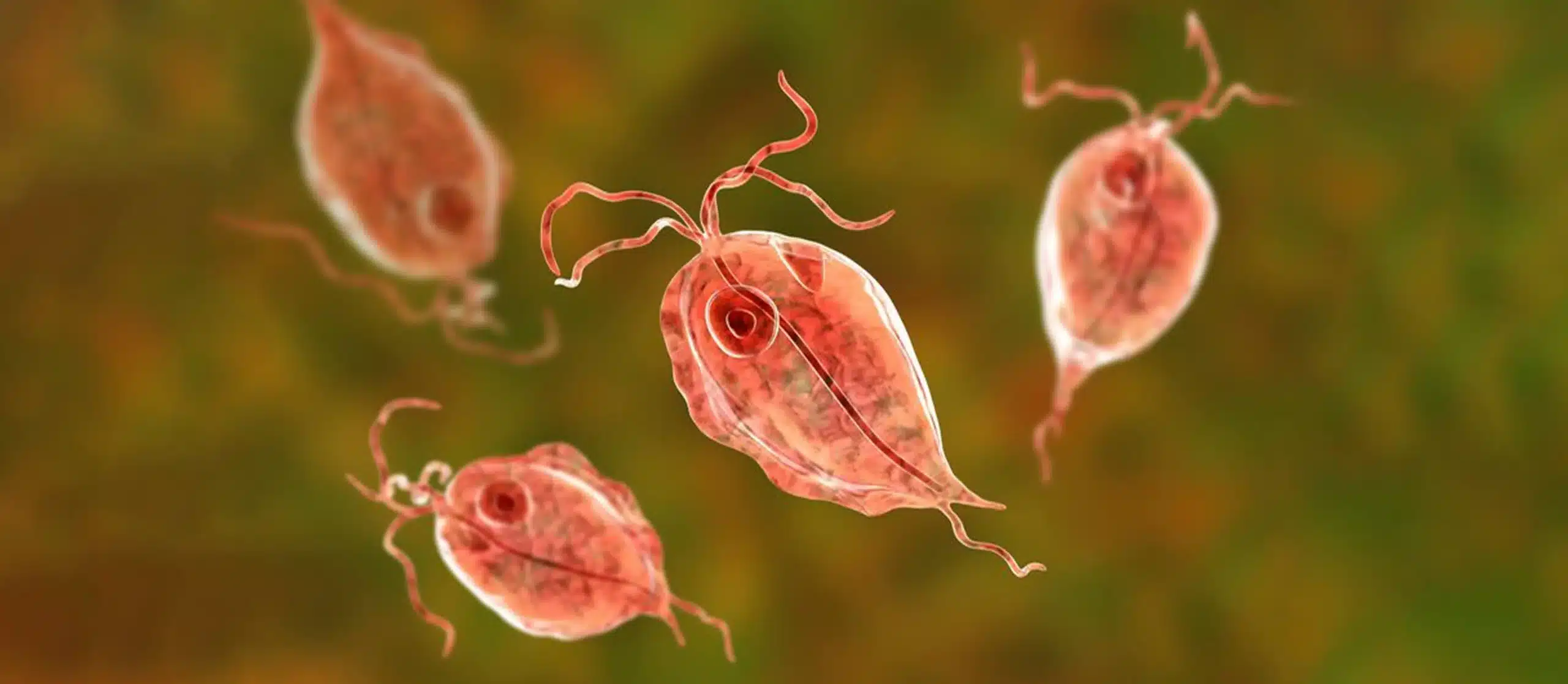
Giardia is a tiny parasite that lives in the intestines. It can spread through contaminated water, food or contact with infected surfaces.
Some people experience diarrhoea, bloating, gas and tiredness. Others may have few symptoms. Giardia is also recognised as a possible cause of longer-lasting digestive symptoms and fatigue.
Hookworms
Hookworms are intestinal worms that can enter the body through contact with contaminated soil. Some infections cause few symptoms, but heavier infections may lead to ongoing blood loss and iron deficiency. This can affect energy levels and physical strength.
Strongyloides
Strongyloides is a type of roundworm that can remain in the body for many years. Some people have no symptoms, while others experience stomach discomfort, bloating, changes in bowel habits or skin problems.
It is particularly important to identify this infection in people who may need certain medicines that weaken the immune system, because it can sometimes become serious.
These are recognised parasites, rather than a newly discovered group of hidden organisms. What makes them relevant to this discussion is that their symptoms are not always obvious.
How Are Hidden Parasites Diagnosed?
There is no single test that can identify every possible parasite. The most useful test depends on the symptoms and the infection being considered.
Stool Testing
Stool testing is commonly used to investigate parasites that affect the intestines. A sample is sent to a laboratory to look for parasites or their eggs. Sometimes several samples collected on different days are needed because a parasite may not be detected in every sample.
More Detailed Stool Tests
Some laboratories use tests that look for genetic material from specific parasites. These are often called PCR tests.
They can help detect certain infections that may be difficult to identify through a standard examination. However, these tests only look for the organisms included in the test. A larger testing panel does not automatically mean it is more useful for everyone.
Blood Tests
Blood tests may help identify certain parasitic infections or reveal problems such as iron deficiency and anaemia. For example, if someone has persistent tiredness and low iron, further investigation may help explain why.
Blood tests cannot detect every parasite, but they can provide useful information when chosen for the right reason.
Functional Wellness Approach to Persistent Symptoms
A whole-person approach involves looking at different parts of someone's health rather than focusing on one symptom alone. For example, imagine someone who has experienced tiredness, bloating and poor concentration for several months.
Instead of assuming that stress is the only reason, a broader assessment might consider their diet, sleep, digestive history, iron levels, previous travel and possible infections. The aim is to understand how different factors may be connected.
This approach can also help avoid unnecessary changes to food, supplements or wellness routines when the underlying issue has not been identified. Importantly, not every unusual symptom points to a hidden infection. Good investigation means being open to different explanations and using reliable tests to narrow them down.
Support Your Body When Dealing With Persistent Symptoms
When you feel constantly tired or uncomfortable, it can be tempting to try several changes at once. However, a simpler approach may help you understand what is making a difference.
Pay Attention to Patterns
Notice when symptoms appear. Does bloating happen after meals? Does tiredness become worse after a poor night's sleep? Did digestive problems begin after travelling? These details can be useful when investigating possible causes.
Support Your Digestion
Eat balanced meals, drink enough water and include fibre in your diet where appropriate. If you are experiencing ongoing digestive symptoms, getting the cause assessed is more useful than following restrictive diets without guidance.
Make Sleep a Priority
Poor sleep can make fatigue, stress and concentration problems feel worse. A regular bedtime and a calm evening routine can support everyday recovery.
Look Beyond One Symptom
Fatigue, brain fog and digestive discomfort can be connected, but they do not always have the same cause. Understanding the wider picture can help you make more informed decisions about your health.
When Should You Investigate Persistent Symptoms?
Occasional bloating or tiredness is common. However, symptoms that continue or keep returning deserve attention, particularly when they affect everyday life. This may include ongoing diarrhoea, unexplained weight loss, low iron, repeated stomach discomfort or tiredness that does not improve.
A history of untreated water exposure, travel to areas where parasitic infections are more common, or contact with contaminated soil may also be relevant. A healthcare professional can help decide whether parasite testing, blood tests or other investigations would be useful.
Looking Beyond the Obvious
Hidden parasites have become a popular topic in the biohacking world because people are increasingly interested in understanding the less obvious factors that may influence their health.
There is a genuine reason to consider parasitic infections in some cases. Certain parasites can affect digestion, contribute to low iron and fatigue, or be linked with symptoms that last beyond the original infection.
However, the goal should never be to assume that every unexplained symptom is caused by parasites. A more useful approach is to look at the whole picture, investigate possible causes and support the body through healthy daily habits.
At WellGen UK, we believe that understanding your wellbeing means looking beyond individual symptoms. Alongside appropriate health investigations, we encourage a wider focus on sleep, relaxation, energy and nervous system balance. If you would like to explore how our wellness sessions may fit into your wider wellbeing routine, contact WellGen UK to learn more.
Frequently Asked Questions
Yes. Certain infections can contribute to tiredness through digestive problems, nutrient loss or anaemia. However, tiredness alone is not evidence of parasites.