
Publishing Date: 29-09-2026 Time 2:30 PM
Prebiotics, Probiotics: What’s the Difference and Do You Need All Three?
Gut health has become an important part of everyday wellbeing, and you may have come across terms such as prebiotics and probiotics. They sound similar, but they have different roles in supporting your digestive system.
You may already be eating foods that contain some of these helpful substances without even knowing it. But with so many gut health products available, it can be difficult to understand what your body actually needs.
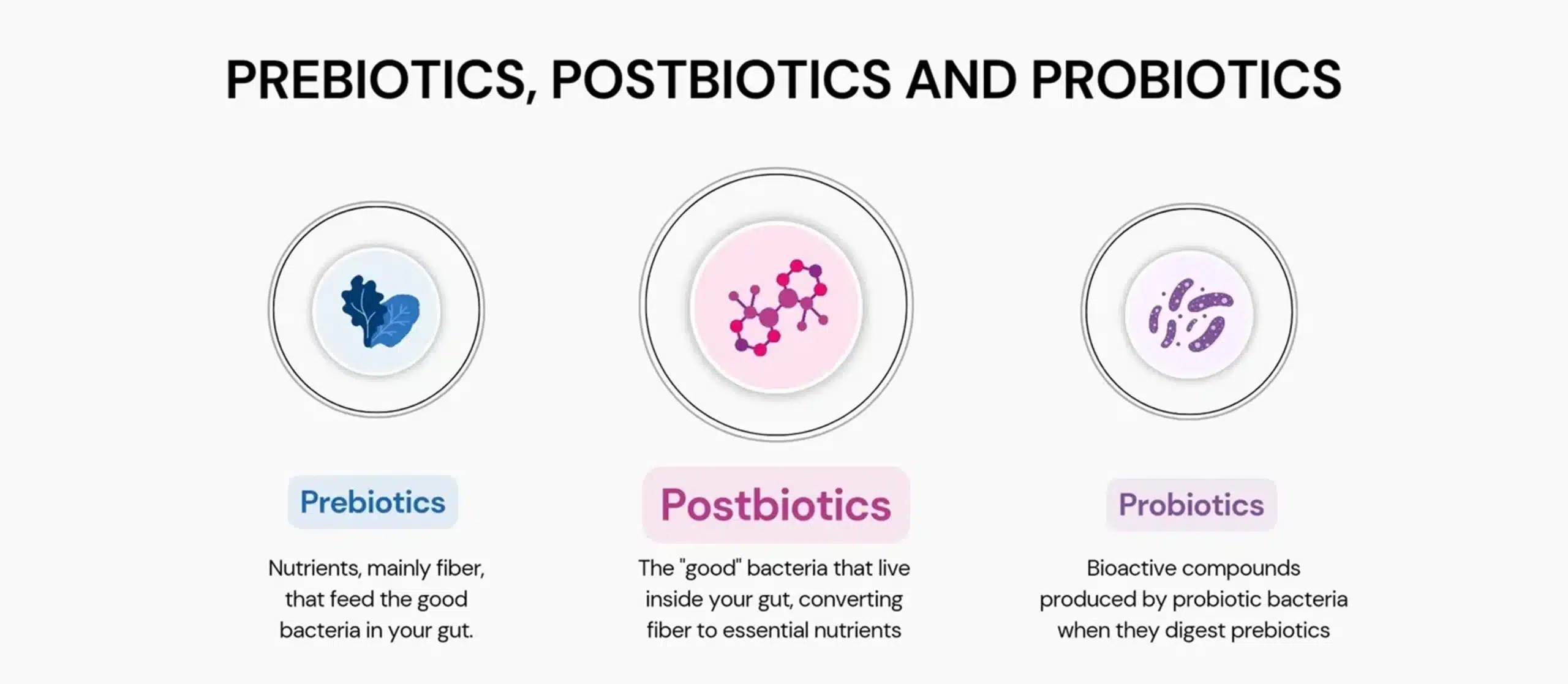
The main difference is simple: prebiotics feed helpful gut bacteria, probiotics are living microorganisms that provide certain health benefits, specially prepared non-living microorganisms or their parts that have shown health benefits.
You do not necessarily need to take all three as supplements. A balanced diet can provide a strong foundation for supporting gut health. Understanding what each one does can help you make better choices for your digestion and overall wellbeing.
Why Are Prebiotics and Probiotics Important?
Your digestive system is home to trillions of tiny living organisms, including bacteria that help support normal gut function. Together, they form part of your gut microbiome.
These microorganisms help break down certain parts of food, support the gut's natural environment and play a role in your body's defences. However, different microorganisms have different needs and functions.
Some benefit from the fibre you eat, while others may be introduced through particular foods or supplements. This is where prebiotics and probiotics come in. Although they are connected to gut health, they are not interchangeable. Understanding their differences makes it easier to decide how they might fit into your daily routine.
What Are Prebiotics?
Prebiotics are substances, often certain types of fibre, that beneficial microorganisms in your gut use as food. Think of your gut as a garden. If helpful bacteria are the plants, prebiotics are part of what helps them grow.
Your body does not fully digest these substances. Instead, they travel through your digestive system, where certain gut bacteria use them. This process can help support a healthy gut environment.
Benefits of Prebiotics
Prebiotics can encourage the growth and activity of helpful microorganisms already living in your gut.
Certain prebiotics can support normal bowel function and help gut bacteria produce useful substances. However, not every type of fibre is a prebiotic, and different prebiotics may have different effects.
Foods Contain Prebiotics
You can find prebiotic fibres in several everyday foods, including:
- Garlic and onions
- Leeks
- Asparagus
- Bananas
- Chicory root
- Some wholegrains
For example, adding onions to a homemade soup or including a banana with breakfast can help you enjoy a more varied diet that supports gut health. If you are not used to eating much fibre, increase it slowly. A sudden increase may cause gas or bloating.
What Are Probiotics?
Probiotics are living microorganisms that provide health benefits when consumed in suitable amounts. Many are types of bacteria, although some are yeasts.
They can be found in certain foods and supplements. Unlike prebiotics, which provide food for microorganisms already in your gut, probiotics introduce specific living microorganisms.
Benefits of Probiotics
Certain probiotics may help support digestive health. Some have been found useful for specific problems, such as certain types of diarrhoea.
However, different probiotics work in different ways. A type that helps with one concern may not have the same effect on another. This is why choosing a suitable probiotic matters more than simply selecting a product with the largest number of bacteria.
Foods Contain Probiotics
Some common foods that may contain helpful live microorganisms include:
- Live yoghurt
- Kefir
- Certain fermented milk drinks
- Some types of kimchi
- Unpasteurised sauerkraut
Not every fermented food contains live bacteria by the time you eat it, and not every live culture has a proven probiotic benefit.
For example, some fermented foods are heated during production, which can remove the living microorganisms. If you want a food containing live cultures, check the product label.
Prebiotics vs Probiotics: What Is the Main Difference?
The easiest way to understand the three is to think about their different roles.
- Prebiotics feed helpful microorganisms. They provide certain gut bacteria with substances they can use.
- Probiotics introduce helpful living microorganisms. Specific types may support digestive health when taken in suitable amounts.
All three are connected with the microorganisms living in or interacting with your body, but they are not the same thing.

Do You Really Need All Three?
No. Most healthy people do not need to take separate prebiotic, probiotic and postbiotic supplements.
Your digestive system already contains a large community of microorganisms that carry out important everyday functions. A varied diet provides different types of fibre and other nutrients that help support this community.
Some people may benefit from particular probiotic or prebiotic products for specific reasons, but this depends on their needs. The most useful approach is to understand what you are trying to improve rather than taking several products simply because they are popular.
Can These Three Support More Than Digestion?
Your gut plays a role in several everyday body functions. It helps absorb nutrients, supports your natural defences and communicates with other parts of your body. This is one reason gut health is often discussed alongside energy, mood and general wellbeing.
Gut Health and Energy
Your body needs nutrients from food to maintain normal energy levels. A healthy digestive system supports the process of breaking down food and absorbing those nutrients. Prebiotics and certain probiotics may support aspects of digestive function, but they are not guaranteed to improve tiredness or energy.
Gut Health and the Immune System
A large part of your body's natural defence activity involves the gut. Helpful microorganisms contribute to maintaining a healthy gut environment. Certain probiotics may influence how the body's defences respond, depending on the specific preparation.
Gut Health and Mental Wellbeing
Your gut and brain communicate through the nervous system and other signals. You may notice this connection when stress makes your stomach feel uncomfortable. Gut microorganisms may also play a part in this relationship.
However, eating a probiotic yoghurt or taking a supplement does not automatically improve mood, concentration or sleep. Healthy eating, stress management and regular rest remain important parts of a wider wellbeing routine.
How Can You Include Gut-Friendly Foods in Your Daily Routine?
You do not need to buy expensive products or completely change your diet. Small food choices can help you introduce more variety.
Start With Breakfast
Try a bowl of oats with a banana and live yoghurt. This provides a mixture of fibre-rich foods and, depending on the yoghurt, live cultures.
Add More Variety to Lunch
A vegetable soup containing onions, leeks and beans can be a simple way to include more fibre. Wholegrain bread can add further variety.
Choose Balanced Evening Meals
Try including different vegetables, pulses and wholegrains throughout the week. If you enjoy fermented foods, you could occasionally include a small serving alongside a meal. The aim is to build a routine that suits your digestion and is easy to maintain.
How Do You Choose the Right Gut Health Supplement?
With so many products available, it helps to understand what you are buying. First, think about why you want the supplement. Are you simply interested in maintaining gut health, or are you experiencing a particular digestive problem?
Next, look at the ingredients. For a probiotic, check which microorganisms are included, whether the product gives clear storage instructions and whether the particular types have been shown to offer the benefit you want.
For prebiotic supplements, consider the type of fibre and whether your digestive system tolerates it comfortably. If you have ongoing symptoms or a weakened immune system, professional guidance is especially useful before introducing new supplements.
Why Looking After Your Whole Body Matters
Gut health does not depend on food and supplements alone. Your nervous system, sleep, daily stress and physical activity can all influence digestive comfort. For example, someone may eat a balanced diet but still experience stomach discomfort during stressful periods.
When the body feels tense or overwhelmed, digestion can become more sensitive. This is why a whole-person approach can be helpful.
A healthy routine might include nutritious food, regular movement, relaxation and enough sleep rather than relying entirely on supplements. Taking time to unwind and supporting nervous system balance can also help you manage everyday stress, which may have a positive effect on digestive comfort.
Supporting Better Gut Health Every Day
Prebiotics and probiotics have different roles, but they are all connected to the wider picture of gut health. Prebiotics help nourish beneficial microorganisms, probiotics provide specific living microorganisms.
You do not need to include all three as supplements to look after your digestive system. For many people, eating a variety of nutritious foods, staying active, sleeping well and managing stress is a sensible starting point.
At WellGen UK, we believe that feeling your best involves supporting the body as a whole. We offer a welcoming experience for people looking to feel more balanced, refreshed and supported in their everyday wellness journey.
Frequently Asked Questions
Prebiotics provide food for beneficial gut microorganisms, while probiotics are living microorganisms that offer specific health benefits when consumed in suitable amounts.