
Publishing Date: 29-09-2026 Time 2:30 PM
The Microbiome Explained: The Trillions of Microorganisms Living Within Us
Did you know that trillions of tiny living organisms are sharing your body with you right now? Most are so small that you cannot see them, yet they play an important role in your everyday health. Together, these organisms are known as the microbiome. They live in different parts of your body, particularly your digestive system, and many help keep things working as they should.
The microbiome has become a popular topic in health and wellness because researchers are learning more about its connections with digestion, immunity and general wellbeing. But what exactly is the microbiome, why does it matter, and how can you look after it? This guide explains the microbiome in simple terms and explores how everyday choices may influence the tiny organisms living within us.
What Is the Microbiome?
The microbiome is the collection of tiny organisms, including bacteria, fungi and viruses, that naturally live in and on your body. Although we often associate bacteria with illness, many are harmless or helpful. In fact, your body relies on certain bacteria to carry out important everyday functions.
Think of your microbiome as a busy community where different organisms live and work alongside one another. Some help break down food, others support your body's natural defences, and some help protect against harmful germs.
Everyone has their own microbiome. Its makeup can change depending on factors such as diet, age, lifestyle, environment and medicines. You do not need to understand every type of bacteria to appreciate why this tiny community matters to your health.
Where Does the Microbiome Live?
Although the gut microbiome receives the most attention, microorganisms live in several different areas of the body.
Gut Microbiome
The largest communities of microorganisms are found in your digestive system, especially the large intestine. They help break down parts of food that your body cannot fully digest on its own. The gut microbiome is also closely connected with your immune system and has become an important area of health research.
Skin Microbiome
Your skin has its own community of microorganisms. Many help protect the skin by making it harder for unwanted germs to grow. Your skin microbiome can be influenced by factors such as washing habits, skincare products and your surroundings.
Mouth Microbiome
Your mouth is another home for many different types of bacteria. Some are part of a healthy mouth, while others may contribute to problems when they grow in unsuitable amounts. Regular brushing, flossing and dental care help maintain oral health.
Why Is the Gut Microbiome So Important?
Your digestive system does much more than process the food you eat. It helps your body absorb nutrients, supports your natural defences and communicates with other parts of the body. The microorganisms living in your gut contribute to several of these functions.
1. Supporting Healthy Digestion
Your body cannot break down every part of the food you eat by itself. Certain gut bacteria help digest fibre and other food components that reach the large intestine.
During this process, they produce substances that help support the gut lining and normal digestive health. A varied, balanced diet helps provide food for these beneficial microorganisms.
2. Helping the Body Use Nutrients
Your body depends on nutrients from food to maintain energy, strength and general health. Some gut bacteria help produce certain vitamins and support the processing of nutrients.
However, the microbiome is only one part of this process. Your overall diet and digestive health also play important roles.
3. Supporting the Immune System
Your immune system helps protect your body from harmful germs. The gut microbiome plays a part in how this system develops and responds.
Helpful microorganisms also compete with harmful germs for space and nutrients, making it harder for some unwanted organisms to become established. This is one reason why caring for your gut can be an important part of supporting overall health.
Can the Microbiome Affect Your Mood and Mental Clarity?
You may have noticed that your stomach feels uncomfortable when you are worried or stressed. This happens partly because your gut and brain communicate with each other.
For example, feeling nervous before an important meeting may cause butterflies in your stomach. Ongoing stress may also affect appetite or bowel habits. Researchers are exploring how gut microorganisms may influence this connection.
Gut and Brain Connection
Your gut and brain communicate through nerves and other signals in the body. The microbiome may play a role in some of these messages. Scientists are studying how changes in gut bacteria relate to mood, stress and mental wellbeing.
However, this does not mean that every change in mood or difficulty concentrating is caused by the microbiome. Sleep, nutrition, stress and many other factors also affect how clearly you think and how you feel.
Stress Matters for Gut Health
Stress can influence digestion and the way your gut works. You may notice bloating, stomach discomfort or changes in bowel movements during particularly stressful periods.
Research also suggests that stress and the gut microbiome can influence each other, although many details are still being studied. This is why looking after your emotional wellbeing can be just as important as paying attention to what you eat.
What Happens When the Gut Microbiome Becomes Unbalanced?
Your gut contains many types of microorganisms that normally live together. Sometimes, the balance of this community can change.
This change may occur due to illness, changes in diet, certain medicines or other factors. It is sometimes referred to as dysbiosis, which means a disturbance in the normal balance of microorganisms in the gut.
An altered gut microbiome has been linked with several digestive and other health conditions. However, there is no single ideal microbiome that everyone should have, and changes do not always mean something is wrong.
Unbalanced Microbiome Cause Bloating
Changes in gut bacteria may contribute to bloating or digestive discomfort in some situations. For example, some bacteria produce gas when breaking down food.
However, bloating can also happen because of food intolerances, constipation, eating habits and other digestive problems. It is important to look at the full picture rather than assuming that all stomach discomfort comes from an unhealthy microbiome.
Gut Changes Affect Energy Levels
Your gut helps your body obtain nutrients from food, which are essential for maintaining normal energy levels. Ongoing digestive problems can sometimes affect eating habits, sleep and overall comfort.
As a result, someone experiencing frequent digestive discomfort may also feel tired or drained. However, tiredness is not a reliable sign of a microbiome imbalance on its own.
What Can Change Your Gut Microbiome?
Your microbiome is not fixed. It changes throughout your life. Several everyday factors can influence the microorganisms living in your digestive system.
Food Choices
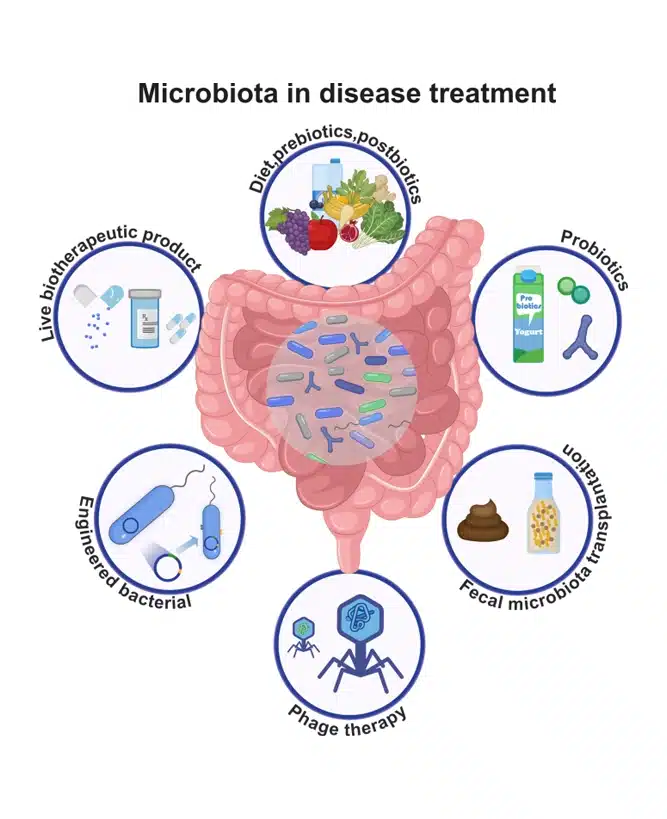
What you eat can influence which bacteria grow in your gut. Different microorganisms use different types of food, particularly fibre from plants. A diet containing a variety of vegetables, fruit, beans, nuts and wholegrains can help support a diverse gut microbiome.
Medicines
Certain medicines, particularly antibiotics, can change the balance of gut bacteria. Doctors often prescribe antibiotics to treat bacterial infections, but these medicines may also affect helpful bacteria in the gut. These changes are often temporary, although recovery varies from person to person.
Age and Lifestyle
Your microbiome develops from early life and continues to change as you get older. Your diet, daily environment, physical activity and general health can all influence it. This is one reason why healthy everyday habits matter throughout life.
How Can You Support a Healthy Gut Microbiome?
You do not need a complicated wellness routine to care for your gut. Small, consistent changes to your everyday habits can help create a healthy environment for beneficial microorganisms.
Eat More Fibre-Rich Foods
Fibre is found in foods such as vegetables, fruit, oats, beans, lentils and wholegrains. Some types of fibre provide food for beneficial gut bacteria.
For example, you might add oats to breakfast, include beans in a lunchtime meal or choose wholegrain bread instead of white bread. If your diet is currently low in fibre, increasing it gradually can help reduce unwanted bloating.
Include a Variety of Plant Foods
Different plant foods provide different types of fibre and nutrients. Rather than eating the same vegetables every day, try including a wider variety throughout the week.
You could add berries to breakfast, lentils to soup, nuts as a snack and several vegetables to your evening meal. The aim is not perfection. It is to make healthy eating more varied and enjoyable.
Explore Fermented Foods
Fermented foods are made using microorganisms. Examples include live yoghurt, kefir, sauerkraut and kimchi.
Some contain live bacteria that may influence the gut microbiome. However, not all fermented foods contain live microorganisms, and the health benefits can vary. They can be useful additions to a varied diet if you enjoy them and tolerate them well.
Stay Physically Active
Regular movement supports general health and normal digestive function. Walking, swimming, cycling or enjoying time outdoors are all simple ways to stay active. You do not need an intense exercise routine. Choosing activities you enjoy is often the easiest way to remain consistent.
Give Your Body Time to Rest
Sleep and relaxation are important parts of maintaining overall wellbeing. A regular bedtime, enough sleep and time away from daily pressures can support your wider health.
Although research is still exploring how sleep directly influences the microbiome, good rest remains an important part of a healthy lifestyle.
Do You Need a Gut Microbiome Test?
Gut microbiome tests have become increasingly popular in the wellness world. These tests usually examine a stool sample to identify some of the microorganisms living in your intestines. They may provide interesting information about your gut bacteria.
However, scientists are still learning what an ideal microbiome looks like for each person. A commercial test cannot reliably explain every digestive symptom or tell you exactly which foods and supplements you need.
If you have ongoing bloating, diarrhoea, constipation or unexplained weight loss, an appropriate health assessment can help identify the cause.
Your Microbiome Is Part of Your Everyday Health
The microbiome is a fascinating part of the human body. Trillions of tiny organisms live within us, helping with digestion, supporting our natural defences and playing a part in overall health.
Although scientists are still discovering how these microorganisms influence different parts of the body, one thing is clear: looking after your gut is an important part of caring for your wellbeing. A varied diet, regular movement, enough sleep and healthy stress management habits provide a strong starting point.
At WellGen UK, we believe in looking at wellbeing as a whole. Our Human Regenerator Jet sessions offer an opportunity to explore relaxation and nervous system focused wellness alongside healthy everyday habits.

Frequently Asked Questions
The microbiome is the community of tiny organisms, including bacteria, fungi and viruses, that live inside and on your body. Many help support digestion and everyday health.