
The Link Between Your Gut and Skin Health
Our skin is often the first to show signs of imbalances within the body. Whether it's acne, eczema, rosacea, or psoriasis, many of these conditions can be traced back to a deeper cause, the health of our gut. Increasing research is showing that there’s a profound connection between our skin and our digestive system, known as the skin-gut axis.
This blog will explore the connection between gut health and skin conditions, how imbalances in your microbiome can affect your skin, and what you can do to improve both.
What Is the Skin-Gut Axis?
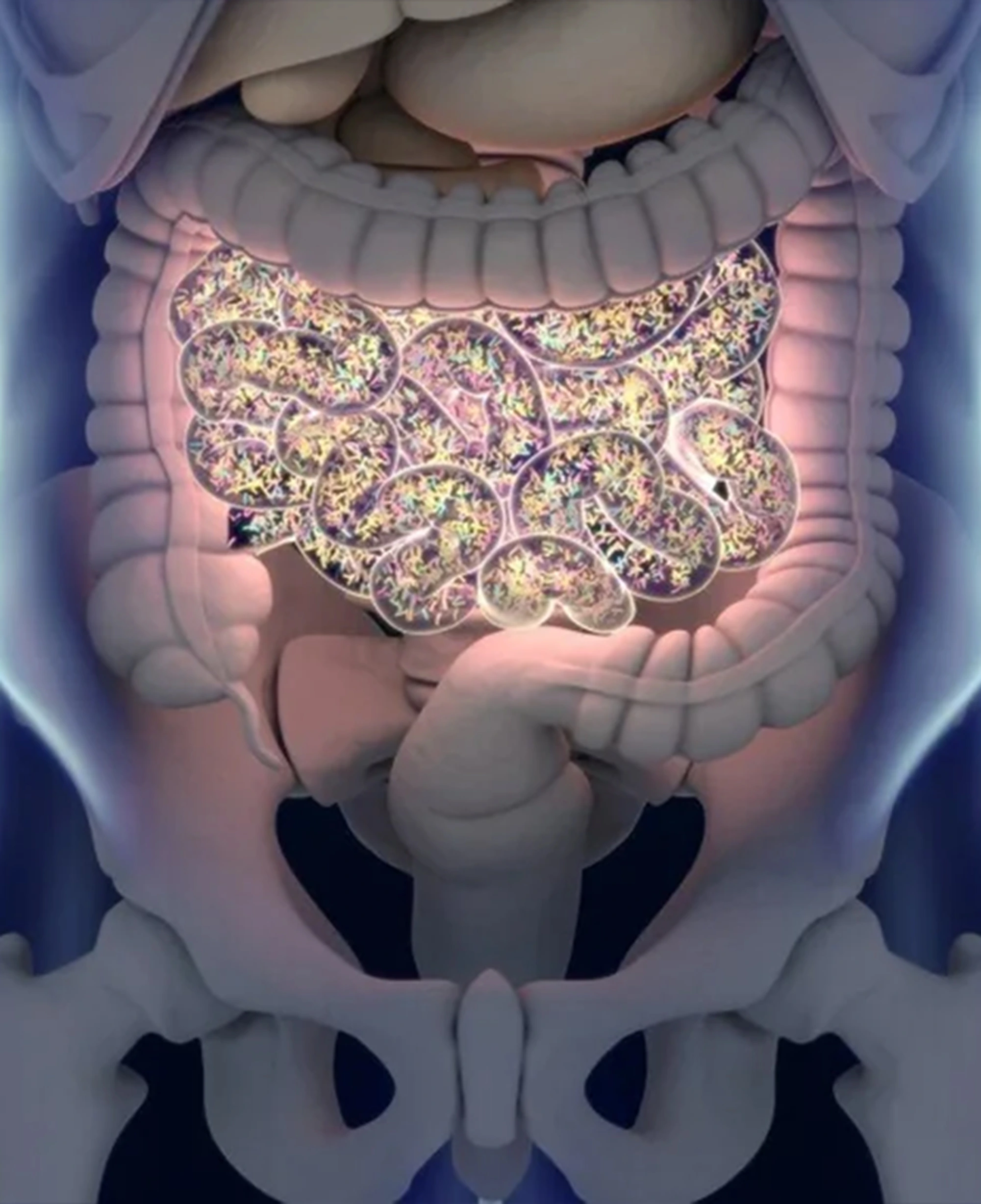
The skin-gut axis is the two-way communication system between the gut and the skin. Essentially, what happens in the gut affects the skin, and skin health can influence the gut. Recent studies have shown that the state of your gut microbiome, the billions of microorganisms living in your intestines, can directly impact the health and appearance of your skin.
This axis operates through various pathways, including the immune system, the release of hormones, and inflammatory responses. When the gut microbiome becomes imbalanced (a condition known as dysbiosis), it can lead to systemic inflammation, affecting skin health and causing or exacerbating common skin issues like acne, eczema, rosacea, and psoriasis.
How Gut Health Affects Your Skin
1. Gut Microbiome Imbalance
The gut is home to trillions of bacteria, fungi, and other microorganisms, some of which play a crucial role in digestion, immune function, and overall health. However, when this delicate balance is disrupted, whether by poor diet, stress, antibiotics, or environmental toxins, harmful bacteria and yeast can flourish, leading to an overgrowth of bad bacteria.
This imbalance can trigger inflammation, which is a primary contributor to a range of skin conditions. Inflammation leads to redness, swelling, and irritation in the skin, which can worsen or cause skin conditions such as:
- Acne: Acne is often linked to inflammation and an imbalance in the gut microbiome. An overgrowth of harmful bacteria in the gut leads to systemic inflammation, which can manifest as acne on the skin.
- Eczema and Psoriasis: Chronic gut inflammation can affect the immune system, leading to flare-ups of autoimmune skin conditions like eczema and psoriasis. These conditions involve skin inflammation and improper immune responses that attack healthy skin cells.
- Rosacea: Imbalance in gut bacteria is thought to contribute to rosacea, a condition that causes redness, visible blood vessels, and pimples on the skin. Inflammation caused by an unhealthy gut microbiome can trigger these flare-ups.
2. Leaky Gut and Skin Health
One of the most significant links between gut health and skin health is leaky gut. This occurs when the lining of the intestines becomes damaged, allowing undigested food particles, toxins, and harmful bacteria to enter the bloodstream. The immune system then reacts to these invaders, causing widespread inflammation, which can be seen in the skin.
Leaky gut has been linked to many chronic skin issues, such as acne, eczema, and rosacea. The inflammation caused by leaky gut can worsen these conditions, leading to more visible flare-ups, rashes, and irritation.
3. Inflammation and the Skin
Inflammation is at the root of most skin conditions, and it is often exacerbated by an imbalance in the gut microbiome. When inflammation becomes chronic, it can negatively affect skin regeneration and lead to the premature ageing of skin cells.
- Acne: Acne occurs when the sebaceous glands in the skin produce excess oil, which combines with dead skin cells and clogs the pores. Bacteria can thrive in these clogged pores, triggering an immune response that leads to swelling and inflammation. An imbalanced gut can contribute to this inflammatory process.
- Psoriasis and Eczema: These conditions are autoimmune in nature, meaning the immune system mistakenly attacks healthy skin cells, causing inflammation, flaking, and scaly skin. A disrupted gut microbiome can trigger or worsen these flare-ups.
How to Maintain a Healthy Skin-Gut Axis
Promoting both gut and skin health involves addressing the factors that contribute to gut imbalance and inflammation. Here are some practical steps to maintain a healthy skin-gut axis:
1. Improve Your Diet
The food you eat plays a vital role in supporting both your skin and gut health. A healthy, balanced diet rich in prebiotics, probiotics, and antioxidants can help balance the gut microbiome and reduce inflammation in the body.
- Probiotics and Prebiotics: Incorporate probiotic-rich foods (like yoghurt, kefir, and kimchi) to introduce good bacteria into the gut. Prebiotic foods (such as garlic, onions, and bananas) nourish the beneficial bacteria and help them thrive.
- Omega-3 Fatty Acids: These healthy fats, found in fatty fish (like salmon), flaxseeds, and walnuts, have anti-inflammatory properties that help calm gut inflammation and support healthy skin.
- Antioxidants: A diet rich in antioxidants from fruits and vegetables (such as berries, spinach, and kale) helps neutralise free radicals and combat oxidative stress, which can damage skin cells.
2. Take Care of Your Skin
Maintaining a proper skincare routine is essential for protecting the skin from external factors that can exacerbate inflammation and irritation. Use gentle, non-toxic products that support the skin's natural barrier without disrupting its balance.
- Avoid Harsh Chemicals: Skip products with alcohol, parabens, and other harsh chemicals that can damage the skin. These can cause inflammation and worsen skin conditions like acne or rosacea.
- Moisturise: Keep your skin hydrated by using moisturisers that lock in water and keep the skin barrier intact. This helps protect the skin from irritants and reduces inflammation.
- Soothing Ingredients: Look for products that contain calming ingredients like chamomile, aloe vera, and green tea. These are known to reduce redness and irritation while promoting skin healing.
3. Stress Management
Chronic stress is one of the leading contributors to inflammation in both the skin and the gut. When under stress, the body produces excess cortisol, a hormone that can trigger inflammation. Practising stress management techniques can help balance the gut microbiome and calm skin flare-ups.
- Mindfulness: Practise mindfulness, meditation, or yoga to reduce stress levels and promote overall well-being. Even short periods of mindfulness each day can significantly lower cortisol and reduce the risk of skin inflammation.
- Regular Exercise: Exercise is a great way to reduce stress and promote gut health. It helps regulate the immune system and supports a healthy inflammatory response in the body.
4. Probiotics for Skin Health
Probiotics have become popular not only for gut health but also for their role in improving skin conditions. Supplementing with probiotics can help balance the gut microbiome, thereby reducing systemic inflammation that manifests on the skin. Some studies have shown that certain probiotic strains can improve conditions like acne, eczema, and rosacea by promoting a healthy immune response.
5. Sleep and Skin Regeneration
Getting enough quality sleep is essential for both gut and skin health. During sleep, the body heals and regenerates cells, including those in the gut and skin. Poor sleep can disrupt the gut microbiome and increase inflammation, leading to flare-ups of skin conditions.
Aim for 7-9 hours of sleep each night to support your skin’s natural healing process and maintain a healthy gut balance.
The Path to Clearer Skin Begins with Your Gut

The skin-gut axis is a powerful reminder of how interconnected our bodies truly are. By taking steps to optimise your gut health, you can see noticeable improvements in the appearance and health of your skin. A balanced diet, good skincare habits, stress management, and adequate sleep are all key factors in maintaining a healthy skin-gut axis.
By understanding the link between your gut and your skin, you can make informed choices that promote overall health, reduce inflammation, and support radiant, healthy skin.
FAQs
The skin-gut axis refers to the connection between the gut microbiome and the skin. An imbalance in the gut microbiome can lead to inflammation, which can manifest in the skin, causing issues like acne, eczema, and rosacea.