
Tired All the Time? Here’s What Your Cells Might Be Telling You
We live in a world where tiredness has almost become the norm. Many people wake up already feeling drained, push through their day with caffeine, and collapse into bed, hoping tomorrow will be better. But what if constant fatigue isn’t just about lack of sleep or a busy lifestyle?
The real story might be hidden in your cells.
The Cellular Story of Energy
Mitochondria are tiny structures inside nearly every cell in your body, often called the “powerhouses of the cell.” Their main job is to convert oxygen and nutrients from food into ATP (adenosine triphosphate), the universal energy your body relies on.
Every function, from pumping blood and digesting food to powering your thoughts and repairing tissues, depends on ATP. When mitochondria are working well, you feel energised, focused, and resilient. But when their performance drops through stress, poor diet, toxins, or natural ageing, your body struggles to keep up. The result can be constant fatigue, muscle weakness, brain fog, slower healing, and even a reduced immune response.
What Your Cells Are Trying to Tell You
Fatigue is not a diagnosis in itself. It’s a symptom and your body’s way of asking you to look closer. While it’s easy to blame poor sleep or long workdays, the root cause of fatigue often goes beyond lifestyle habits.
Oxidative stress is wearing us down. Pollution, processed foods, and everyday stress create unstable molecules called free radicals, which chip away at your mitochondria’s efficiency.
We’re not getting the nutrients we need. Cells rely on vitamins, minerals, and antioxidants to create energy. Without enough magnesium, B vitamins, or coenzyme Q10, they can’t function at full power.
We’re not repairing properly at night. Sleep is when your body performs its deepest cellular repair. If your sleep is broken or shallow, your cells wake up just as tired as you do.
Age is slowing us down. As you get older, mitochondria naturally lose some of their effectiveness. This is why stamina fades and recovery takes longer with age.
Stress is overwhelming us. Constant exposure to high cortisol levels from stress interferes with how cells use energy. This is why stress makes you mentally foggy and physically drained.
These aren’t random complaints; they’re red flags from your body’s engine room.
Why Fatigue Is More Than Just Feeling Sleepy
Fatigue is different from ordinary tiredness. Tiredness goes away with rest, but fatigue lingers. It affects your focus, mood, memory, and even your motivation to do the things you enjoy.
Doctors often check for obvious causes such as poor sleep, stress, or diet. While these matters, the truth is that energy begins at a much deeper level inside your cells.
Two Distinct Patterns of Fatigue
While everyone experiences tiredness differently, two key fatigue “patterns” show up time and again. Recognising yourself in one of these can be the first step in addressing the real problem.
1. Tired but Wired
This is the person who feels drained all day yet can’t seem to switch off at night. Their body is heavy, but their mind is buzzing. Sleep is broken, restless, and never refreshing.
This often points to stress hormone disruption, particularly cortisol. When cortisol spikes at the wrong time, too low in the morning, too high at night, your natural rhythm is flipped upside down. The result? A body that never truly rests, and cells that never fully repair.

2. Heavy and Foggy
This type of fatigue feels more like wading through mud. Your muscles are sluggish, your brain foggy, and your motivation almost non-existent. Exercise feels impossible, concentration slips, and sugar cravings become a daily crutch.
This pattern is often linked to:
- Low iron or B12 reduces oxygen delivery to cells.
- An underactive thyroid slows down metabolism.
- Mitochondria (your cells’ “power stations”) are struggling to keep up with energy demands.
Both patterns leave you feeling powerless, but the underlying cellular causes can be different.
What’s Really Happening in Your Cells
Here’s where the conversation gets interesting. Every cell in your body relies on mitochondria to generate energy. These tiny organelles take nutrients and oxygen and turn them into ATP, the fuel that powers everything from your heartbeat to your thoughts.
But mitochondria are sensitive. Stress, poor nutrition, toxins, or simple ageing can reduce their efficiency. When that happens, your body can’t produce enough fuel to keep you going. The result isn’t just fatigue, it’s brain fog, weakened immunity, and slower recovery from exercise or illness.
Put simply, when your cells are running on low power, so are you.
Listening to Your Body’s Clues
Your body rarely shouts at first. Instead, it whispers. Do any of these sound familiar?
- Waking up tired even after eight hours of sleep.
- Need caffeine to function before midday.
- Feeling physically and mentally drained after minor tasks.
- Struggling to focus or remember details.
- Recovering slowly from exercise or illness.
These aren’t just “signs of getting older” or “being busy.” They’re signals that your cells are asking for help.
Why Quick Fixes Don’t Work
Reaching for another coffee or sugary snack may give you a short-term lift, but it doesn’t solve the problem. Even “healthy fixes” such as going to bed earlier or cutting back on screen time don’t always break the cycle if the deeper cellular issues remain unresolved.
That’s why many people feel frustrated. They make changes, but the tiredness never fully goes away. The key lies in working with your cells, not against them.
How to Begin Rebuilding Energy Naturally
Supporting your cells starts with giving them what they need to thrive. That means:
- Eating nutrient-dense foods rich in antioxidants, healthy fats, and minerals.
- Prioritising restorative sleep to allow cells to repair overnight.
- Managing stress with mindfulness, gentle exercise, or relaxation techniques.
- Moving your body regularly actually stimulates the production of healthier mitochondria.
These foundations create the right environment for energy restoration. But for many, especially those with long-standing fatigue or high levels of stress, extra support can be transformative.
Wellness Powered by Cellular Energy
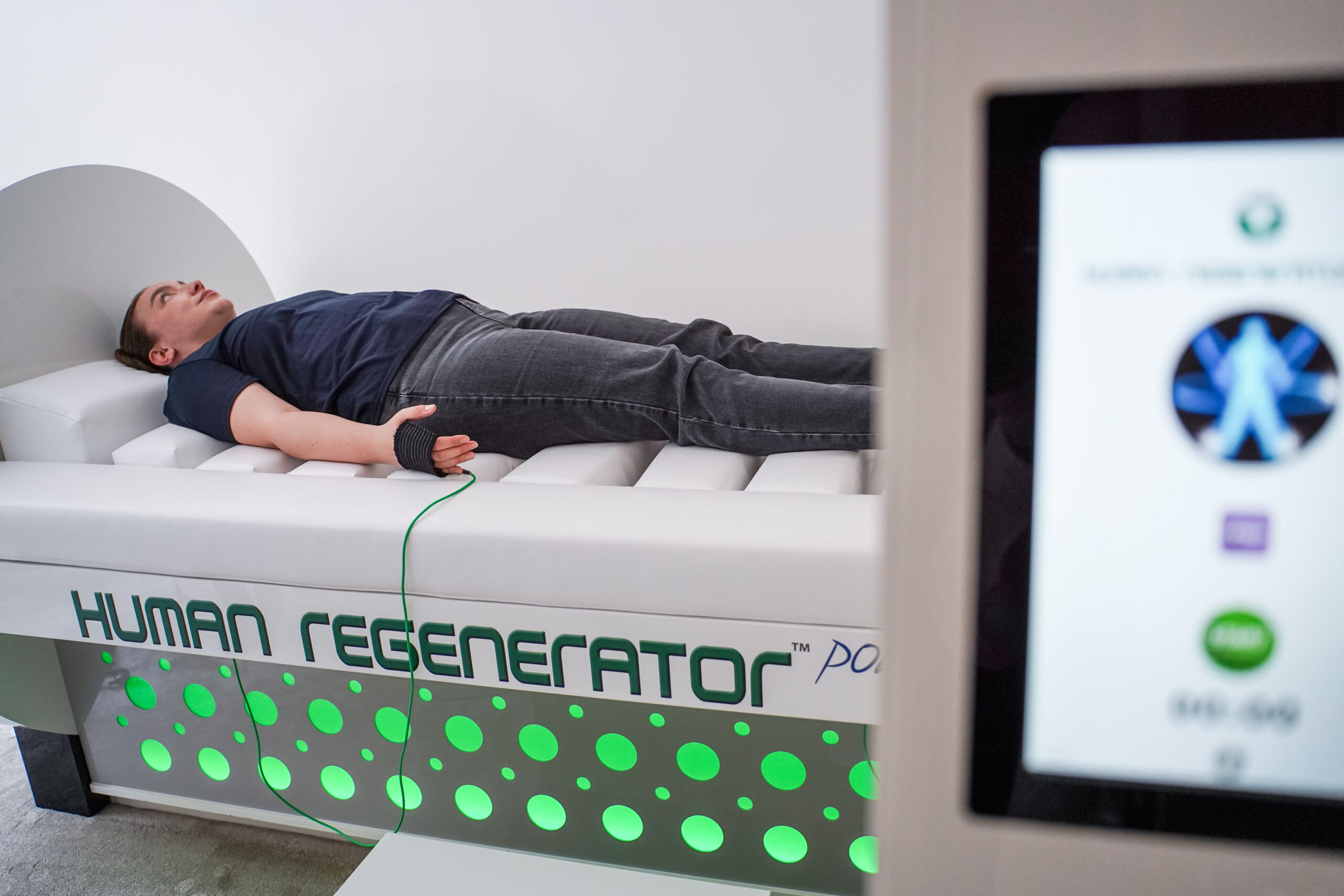
At WellGen, we’ve taken a pioneering step in addressing fatigue at its source. The Human Regenerator Jet, available exclusively at our clinic in the north of the UK, is designed to work where energy truly begins, within your cells
This unique device emits a structured energy field that interacts directly with your body at a quantum level. The aim is simple: to encourage your cells to rebalance, reset, and regenerate.
A session is effortless. You simply lie down while the power jets in the machine do the work. Many clients describe it as deeply calming, while beneath the surface, their cells are being gently guided back into balance.
Reported benefits include:
- Renewed energy and vitality.
- Sharper focus and mental clarity.
- More restorative sleep.
- Faster recovery from stress or exertion.
- An overall sense of lightness and well-being.
The Human Regenerator Jet isn’t a magic cure. But as part of a holistic approach to health, it offers a powerful way to support the body’s natural repair mechanisms and help break the cycle of chronic fatigue.
Fatigue doesn’t have to be normal. If you’re constantly tired, heavy, or foggy, your cells are sending a message. Instead of masking it with caffeine or ignoring it, take the time to listen.
At WellGen, our mission is to help you understand and support your body at the deepest level. By combining personalised guidance with advanced technology like the Human Regenerator Jet, we give your cells the best possible chance to recover, so you can reclaim the energy, focus, and vitality you deserve. Because when your cells are energised, so are you.